Full-time Hybrid
Online + in-person | Mon–Fri | 8am–5pm EAT
Physical classes: Applewood Adams, 13th Floor, Ngong Road, Nairobi.
Tuition
Apply KES 45,000
Digital products | Technology consulting | Practical coding and digital skills
Build digital products
A practical route into software engineering for learners who want to understand how digital products are planned, built, tested, and improved.
Duration
16 weeks
Next intake
October 1st, 2026
Learning format
Guided practice, mentor feedback, and project work
The LEA learning experience
A practical route into software engineering for learners who want to understand how digital products are planned, built, tested, and improved. Leave with a portfolio-ready project, a clearer technical vocabulary, and a repeatable way to keep building.
HTML/CSS + TypeScript
Python for data & AI
Portfolio projects
Flexible ways to learn
Pick the rhythm that gives you the clearest space to learn, practise, and keep moving.
Level 1 of 3
A welcoming starting point for learners building their first confident software-development habits.
What you will build
Move your cursor over a poster to see the build, tools, and portfolio evidence.
WEB PRODUCT
Hover to explore
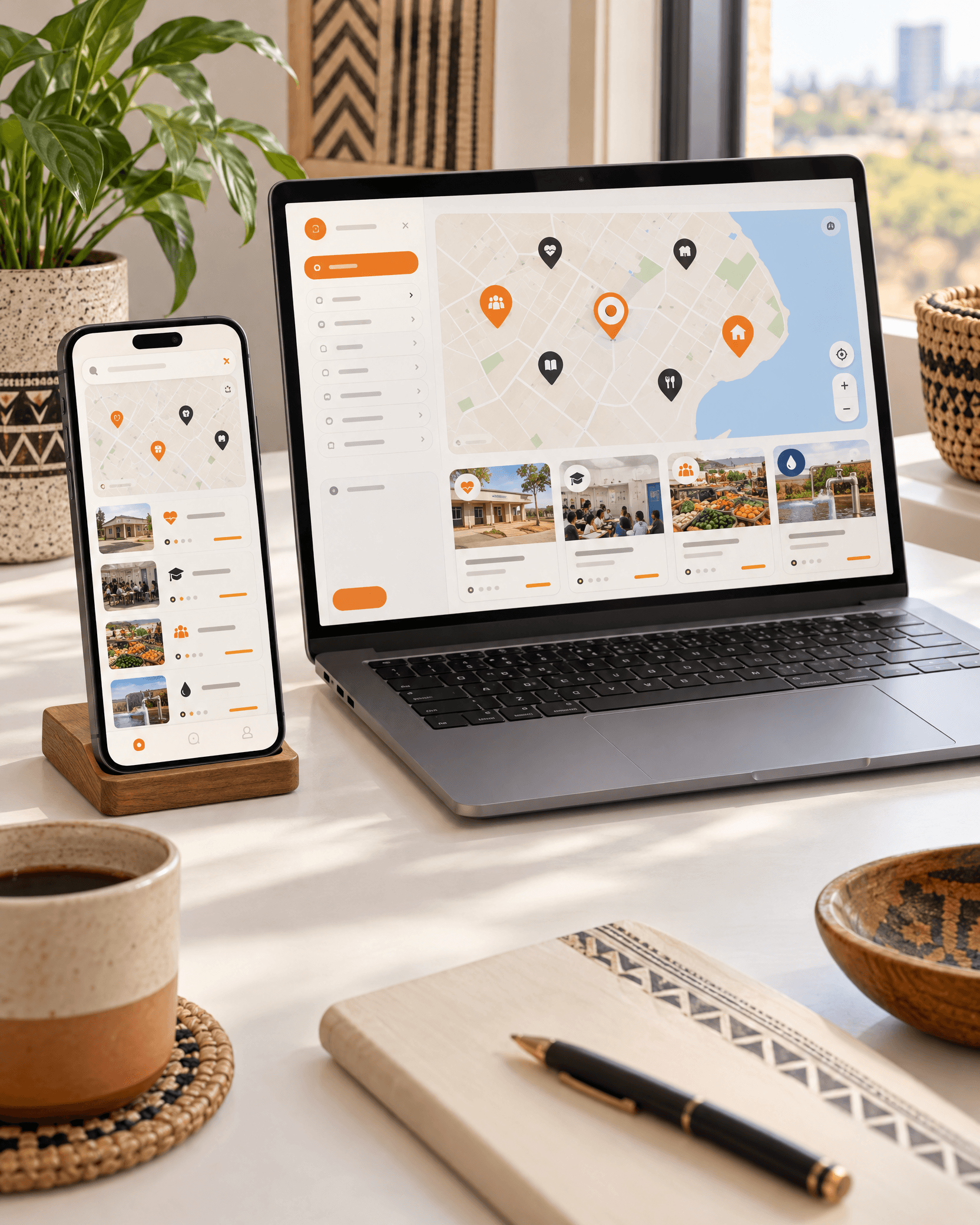
WEB PRODUCT
A responsive, searchable directory for local learning, health, or business services with accessible forms and mobile-first layouts.
Evidence: Published URL, repository, content model, accessibility check, and user feedback.
PAYMENTS
Hover to explore
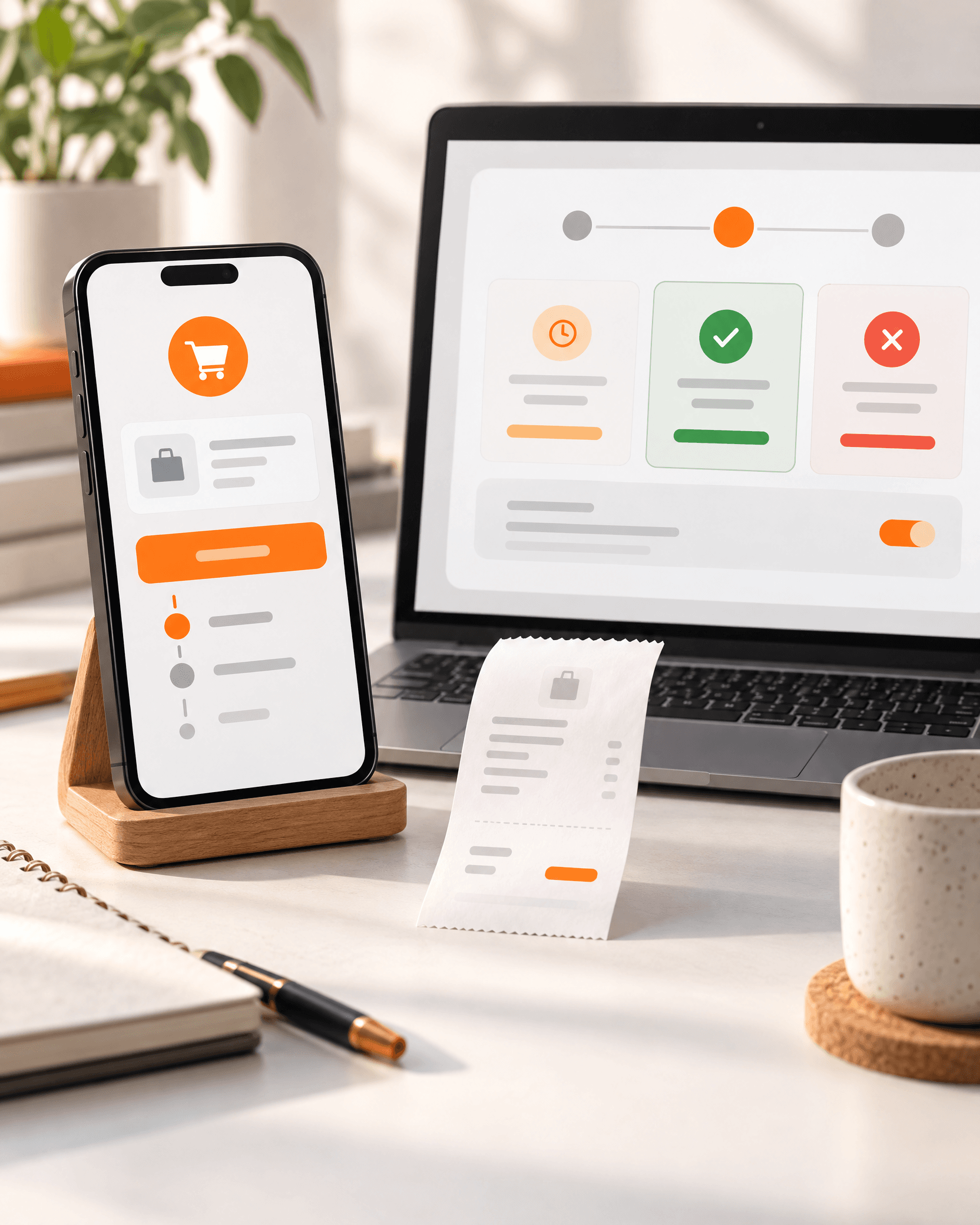
PAYMENTS
A safe enrolment checkout that models STK Push request, pending, success, failure, timeout, duplicate callback, receipt, and admin reconciliation states.
Evidence: State diagram, test matrix, simulated receipts, security checklist, and no-real-money demo.

OPERATIONS TOOL
Hover to explore
OPERATIONS TOOL
A staff dashboard that reads approved Google data such as Calendar events, Drive files, or Sheets rows and turns it into a useful workflow.
Evidence: API contract, consent and scope note, mocked fallback, error handling, and deployment README.
AI PRODUCT
Hover to explore
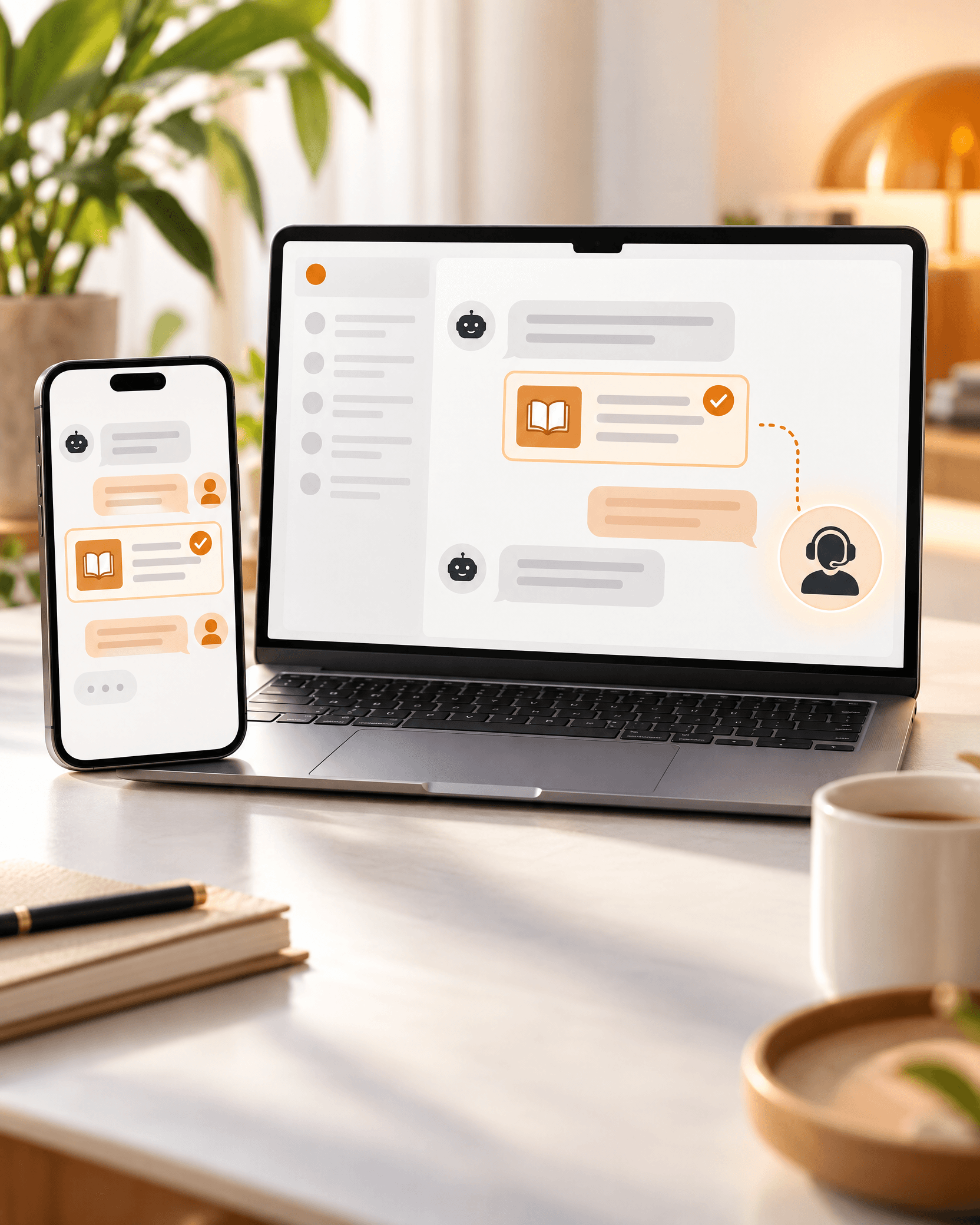
AI PRODUCT
A full-stack learner-support feature with a TypeScript interface and Python service that answers from approved information, cites sources, and escalates uncertainty.
Evidence: Evaluation set, red-team examples, human-review policy, demo, and retrospective.
API work starts with mocks and sandboxes. Daraja projects never handle real money in class. Google device-management examples use mock devices or read-only test data; learners do not lock, wipe, or change real devices.
Inside the pathway
Weeks 1–2
Start with how the web works, semantic structure, modern CSS, developer tools, Git, and a reliable workflow for learning by doing.
Build project
Build an accessible LEA learner profile page and publish a README explaining your choices and AI-use boundaries.
Weeks 3–5
Turn ideas into clear, responsive interfaces with typed data, browser interaction, forms, and component thinking.
Build project
Build a responsive community services directory that works on a phone and desktop.
Weeks 6–8
Connect a product to real services and learn how to reason through state, validation, provenance, and failure.
Build project
Build a live conditions or community-information dashboard with loading, empty, error, and retry states.
Week 9
Pause, review your progress, get mentor feedback, and return with a sharper plan for the backend build.
Build project
Complete a portfolio review, prioritised backlog, and mentor feedback record before the backend build.
Weeks 10–12
This stage explains the systems behind a digital product. You will build routes and services, work with data, validation, authentication concepts, and error handling, then understand how a backend communicates with the frontend to support a secure and dependable product.
Build project
Build a learner-enrolment data service with a data dictionary, validation, and endpoint tests.
Weeks 13–14
Connect a TypeScript interface to a Python AI service, then evaluate, secure, and explain the resulting product behaviour.
Build project
Build a learner-support feature grounded in approved information with citations, uncertainty handling, and escalation.
Weeks 15–16
Bring the full journey together in a guided capstone and shape a clear story around the product, evidence, and trade-offs.
Build project
Ship a community learning operations portal combining catalogue, enrolment, progress, payments, and an admin dashboard.