Full-time Hybrid
Online + in-person classes | Mon–Fri | 8am–5pm EAT
Physical classes: Applewood Adams, 13th Floor, Ngong Road, Nairobi.
Digital products | Technology consulting | Practical coding and digital skills
Work thoughtfully with AI
A grounded introduction to applied AI that helps learners move beyond the hype and use intelligent tools with clarity, care, and practical intent.
Duration
12 weeks
Next intake
October 1st, 2026
Learning format
Experiments, guided studio work, and feedback
The LEA learning experience
A grounded introduction to applied AI that helps learners move beyond the hype and use intelligent tools with clarity, care, and practical intent. Leave with a small library of useful workflows, stronger judgement, and a practical point of view on responsible AI use.
Python + data literacy
Reliable AI workflows
Evaluation & safety
Flexible ways to learn
Pick the rhythm that gives you the clearest space to learn, practise, and keep moving.
Online + in-person classes | Mon–Fri | 8am–5pm EAT
Physical classes: Applewood Adams, 13th Floor, Ngong Road, Nairobi.
100% online classes | Mon–Fri | 8am–5pm EAT
100% online classes | Mon–Fri | 6pm–9pm EAT
What you will build
Move your cursor over a poster to see the build, tools, and portfolio evidence.

DATA LAB
Hover to explore
DATA LAB
A reproducible notebook that cleans a small local dataset, explains patterns, visualises uncertainty, and records data provenance.
Evidence: Notebook, cleaned data, data dictionary, visualisations, assumptions, and a two-minute explanation.
AI WORKFLOW
Hover to explore
AI WORKFLOW
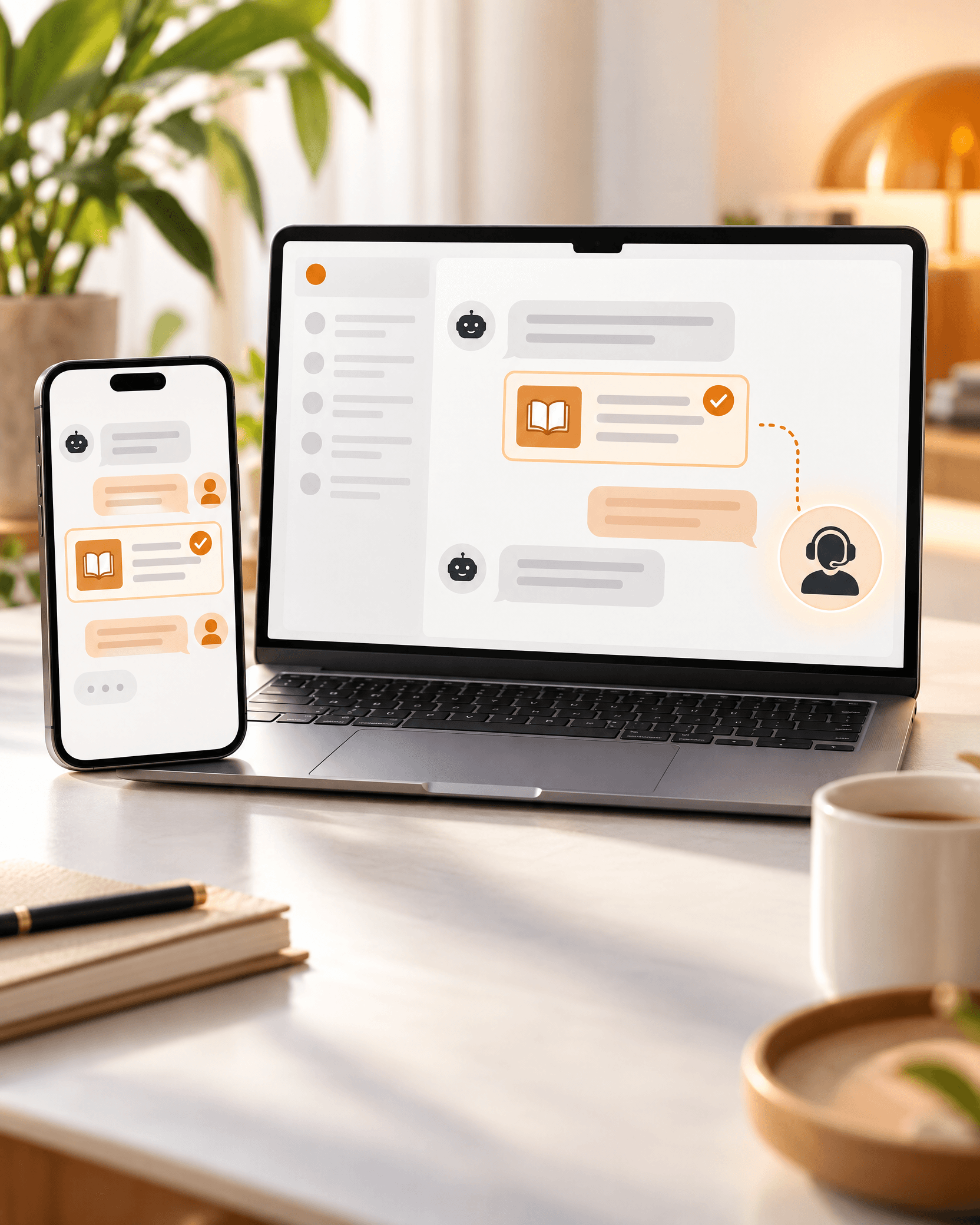
A support workflow that classifies questions, drafts replies, cites approved information, and sends uncertain cases to a human.
Evidence: Fixed evaluation set, accuracy and failure table, prompt versions, escalation rules, and privacy checklist.

RESEARCH
Hover to explore
RESEARCH
A source-backed research brief produced with AI assistance but verified by the learner against primary sources and recorded corrections.
Evidence: Research log, evidence table, corrections log, uncertainty notes, and final brief.

VISION & PREDICTION
Hover to explore
VISION & PREDICTION
A small, clearly scoped computer-vision or forecasting prototype such as object counting, barcode scanning, weather trend analysis, or transport-demand exploration.
Evidence: Dataset note, prototype, test cases, limitations, privacy review, and a recommendation for the next iteration.
API work starts with mocks and sandboxes. Daraja projects never handle real money in class. Google device-management examples use mock devices or read-only test data; learners do not lock, wipe, or change real devices.
Inside the pathway
Weeks 1–2
Build a useful mental model of modern AI systems, data quality, Python, and the limits that shape responsible use.
Build project
Create a Python notebook that explores a small dataset and an AI use-case map with a go, no-go, or pilot recommendation.
Weeks 3–5
Use Python to clean, inspect, visualise, and explain data before deciding whether AI belongs in the workflow.
Build project
Produce a reproducible data brief with provenance, assumptions, and a clear explanation of what the data cannot prove.
Week 6
Step back from the tools, review what is working, and get feedback before moving into responsible practice.
Build project
Audit the workflow, remove unnecessary automation, and document the revised human review step.
Weeks 6–7
Turn repeated tasks into clearer, more reliable workflows with structured outputs, versioned prompts, and human approval.
Build project
Design an admissions or support workflow assistant and evaluate it on a fixed test set.
Week 8
Use AI to accelerate exploration without outsourcing judgement, accuracy, or the responsibility to verify.
Build project
Produce a source-backed research brief with an evidence table and corrections log.
Weeks 9–10
Explore privacy, bias, safety, prompt injection, and the judgement needed to use intelligent tools with care.
Build project
Review a fictional learner-support workflow for privacy, bias, unsafe decisions, and escalation requirements.
Weeks 11–12
Design, test, and present a small AI-supported project connected to a meaningful real-world outcome.
Build project
Build a human-in-the-loop learner-support assistant with a Python service, approved information, citations, and escalation.